
The word "superfood" is mostly a marketing label. What's underneath it is real enough: foods with unusually high nutrient density that do measurable work in the body.
What qualifies
No official definition covers all of them, which is why the label ends up on blueberries and broccoli alike. The common thread is that they're worth eating, and that they do more nutritional work per serving than most food.
Blueberries are the standard example — dense with flavonoids, a class of antioxidants that help the body manage oxidative stress and inflammation. Chia seeds have omega-3 fatty acids, fiber, protein, and calcium packed into something small enough to disappear into oatmeal without changing how it tastes.
Not every superfood is a specialty ingredient. Sweet potatoes, broccoli, lentils, and walnuts all count by any reasonable measure. The wellness industry benefits from making this seem complicated. It mostly isn't.
Immune support
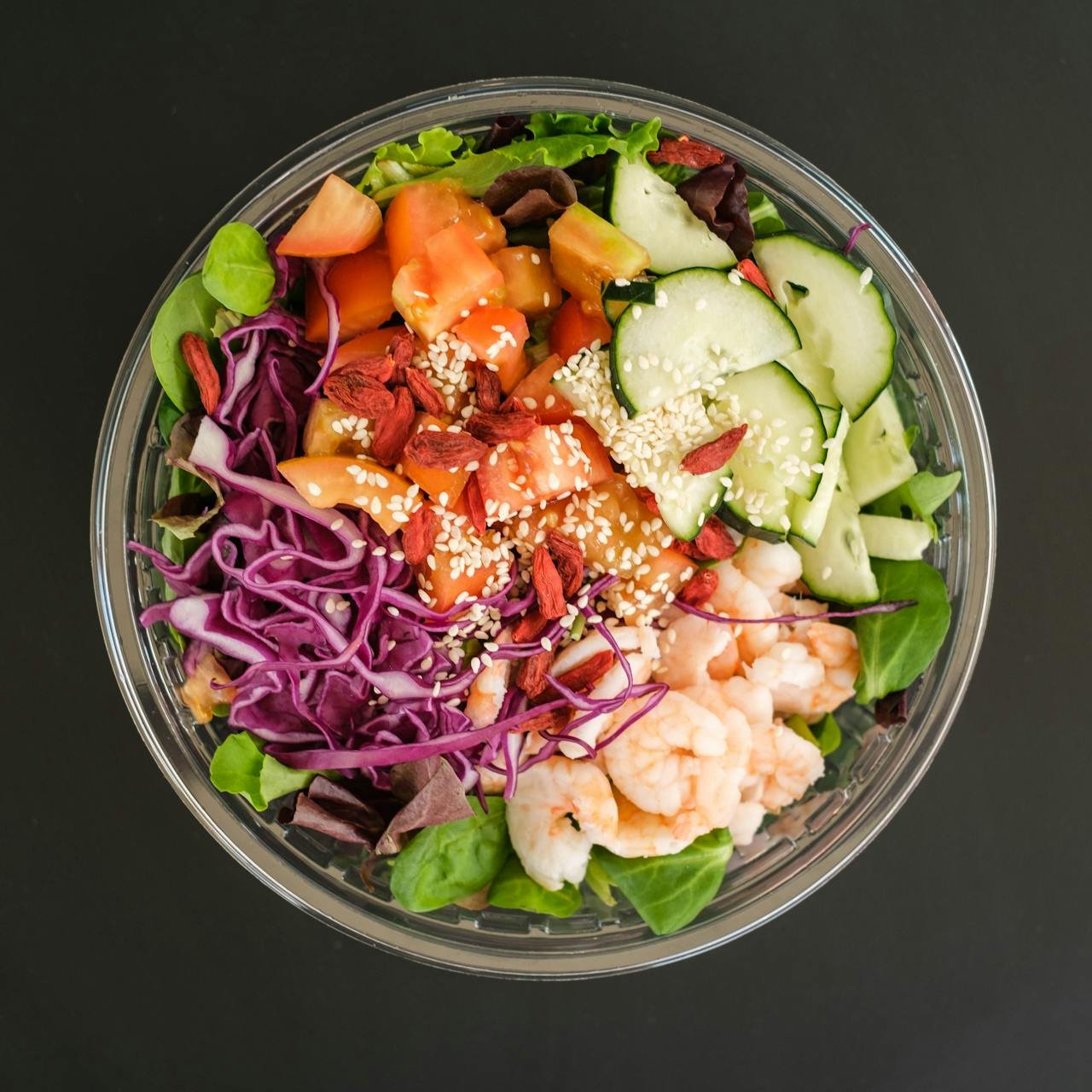
Vitamin C gets the most attention here. Oranges are the default association, but kiwis and bell peppers have more per gram. Leafy greens like spinach and kale add vitamins A and C, iron, and folate — nutrients that support cell function and help the immune system respond when it needs to.
None of this requires a dramatic overhaul. Add citrus somewhere in your day, use spinach as your salad base instead of iceberg, throw bell peppers into whatever you're already cooking. The adjustments that actually work tend to be small ones that stick.
"Healthy eating doesn't have to be complicated. It's mostly just whole foods, eaten more often."
Getting them into meals
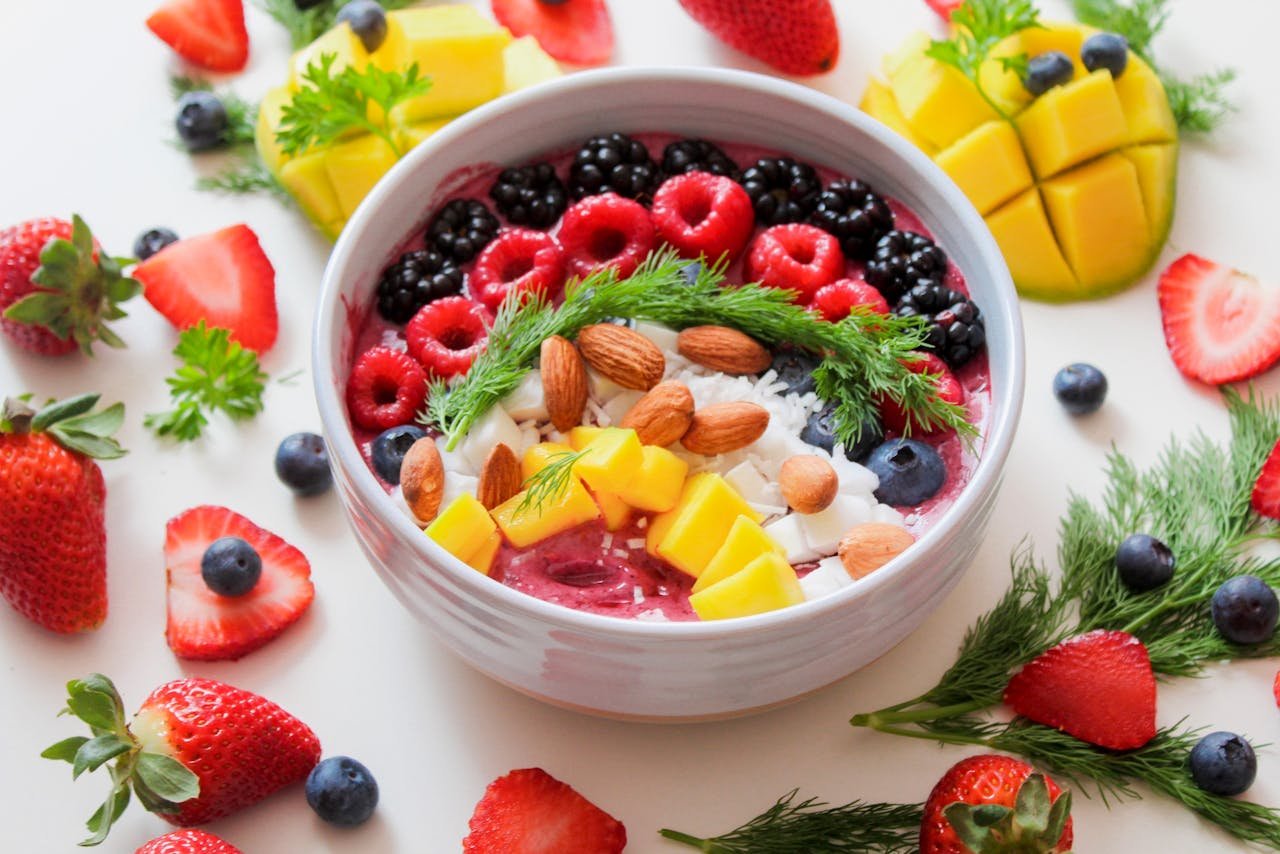
Smoothies are the easiest entry point. Spinach disappears into a fruit smoothie without affecting the taste. Chia seeds blend in completely. Berries add flavor and antioxidants at the same time, so there's no tradeoff.
Salads work if you treat them as actual meals — with protein, some nuts or seeds, and enough variety to keep it interesting. Swapping white rice for quinoa occasionally is worth it; quinoa has more protein and fiber, which means you stay full longer.
The underlying idea is just eating more whole foods. That's what "superfood eating" amounts to once you take the branding off. Small changes — a handful of berries added to breakfast, flaxseeds on a salad — add up over time without requiring much effort.
Digestion
Most people don't get enough fiber. The daily recommendation is 25–30 grams, and most fall well short. Chia seeds, flaxseeds, quinoa, and lentils are all high in fiber, which keeps digestion regular and feeds the beneficial bacteria your gut depends on.
Fermented foods add the probiotic element: yogurt, kefir, sauerkraut, kimchi. They support gut flora and improve how the body absorbs nutrients. A small serving daily is enough — you don't need to restructure every meal around it.
The results tend to show up gradually. Steadier energy, less bloating, better digestion overall. A few weeks before you notice anything significant, but the changes are consistent.
Come eat well at Delgado 112 →
Filipino-Spanish cuisine at 112 Scout Delgado Street, Tomas Morato. Reserve a table — walk-ins welcome when there's space.