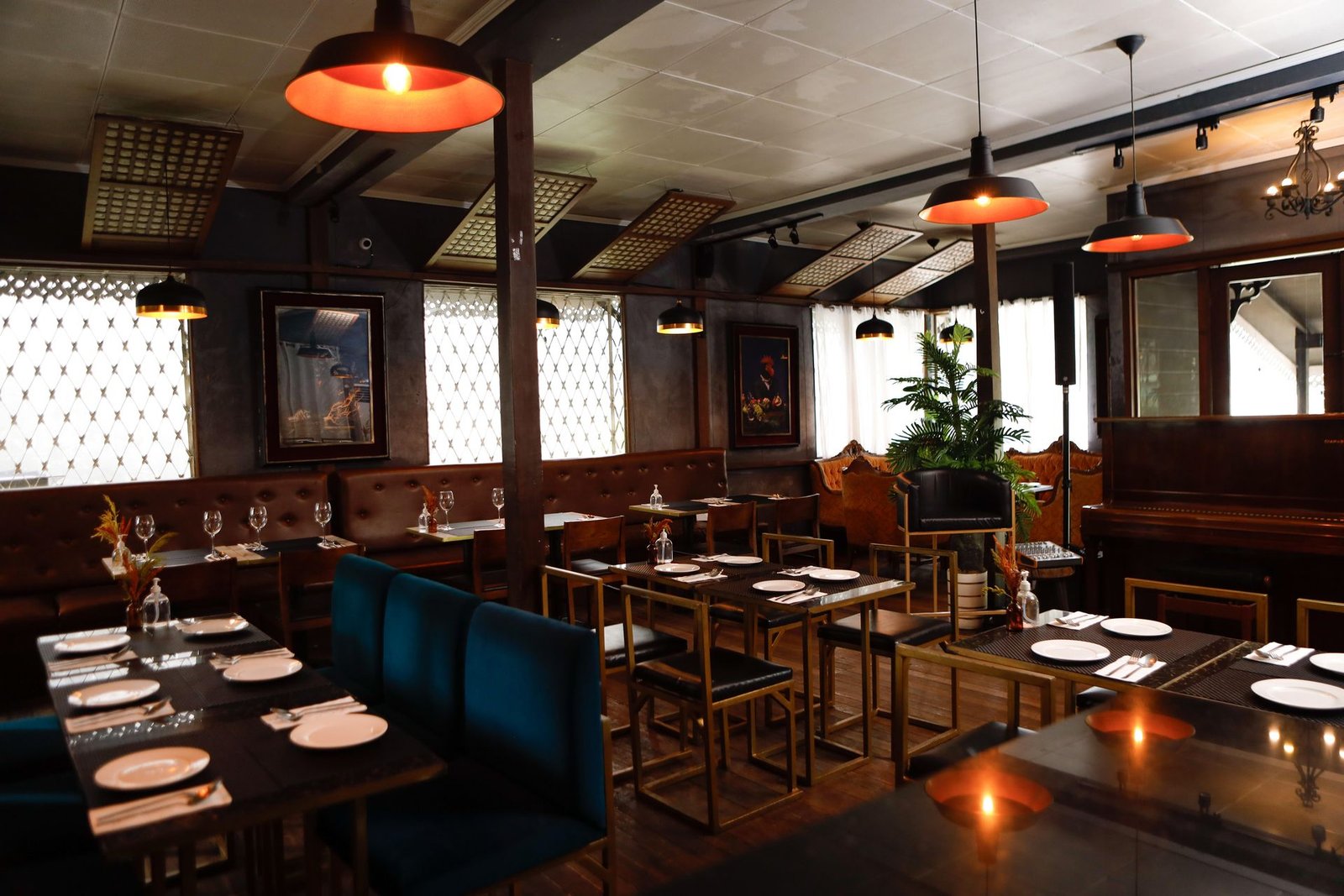
The feeling comfort food creates — full, warm, a little reminded of someone's kitchen from years back — hasn't changed. What qualifies has.
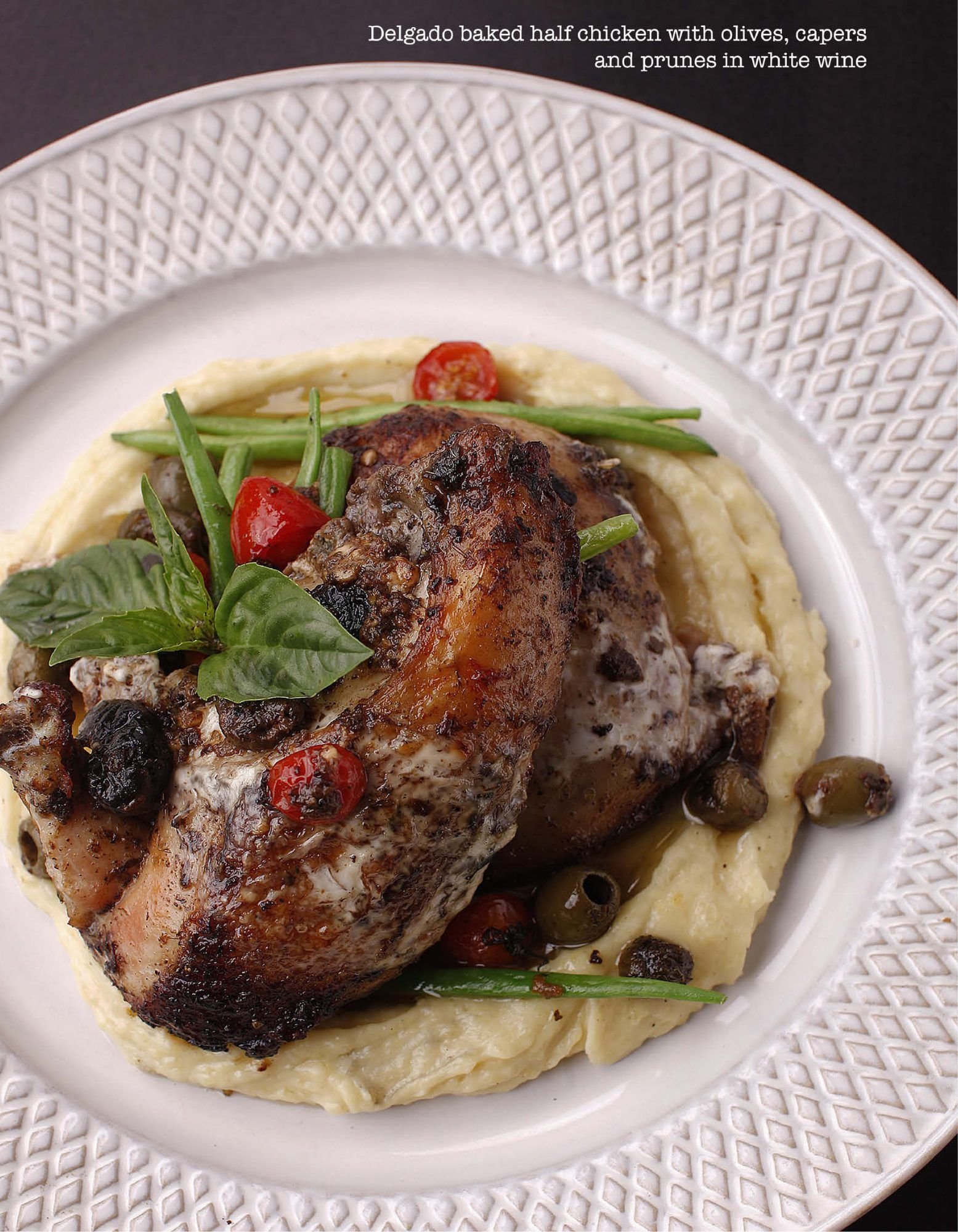
The original version was simpler
Comfort food used to be whatever you grew up eating. Pot roast. Mac and cheese. A bowl of arroz caldo when you were sick. It wasn't trying to be complex — these dishes were built around feeding a family without spending too much. Stews, casseroles, one-pot meals where the bar was basically "fills you up and makes you feel okay."
The ingredients came from what was nearby. In the Philippines, that meant rice, pork, vinegar. In Italy, pasta and tomatoes. The dishes reflected the place they came from, not because anyone was being intentional about it, but because that was what was available and affordable. A bowl of sinigang in Manila carried the same emotional weight as a plate of spaghetti Bolognese in Bologna — not fancy, just deeply familiar.
That simplicity had real value. During hard times, families stretched what they had into something worth sitting down for. The pot did most of the work. The table did the rest.
"These dishes didn't need to be fancy. They just needed to fill you up and make you feel good."
What chefs did to it
At some point, restaurants noticed people had nostalgia for childhood food and started charging accordingly. Lobster mac and cheese. Truffle mashed potatoes. A grilled cheese with fig jam and a cheese you can't quite pronounce.
The format stayed the same. The price didn't.
Global cross-pollination happened too — Korean barbecue worked into a meatloaf, Japanese curry poured over rice, Filipino adobo reimagined for a tasting menu. Comfort food absorbed international flavors the same way it always absorbed whatever was around. It just happened faster, and across more borders than before.
Some of it works well. A kare-kare with a modern plating still carries the same weight as the version made in a clay pot in someone's province kitchen — if the peanut sauce is right, you're not thinking about presentation. Others lose the thread entirely. Comfort food that requires explanation usually isn't doing what comfort food is supposed to do.
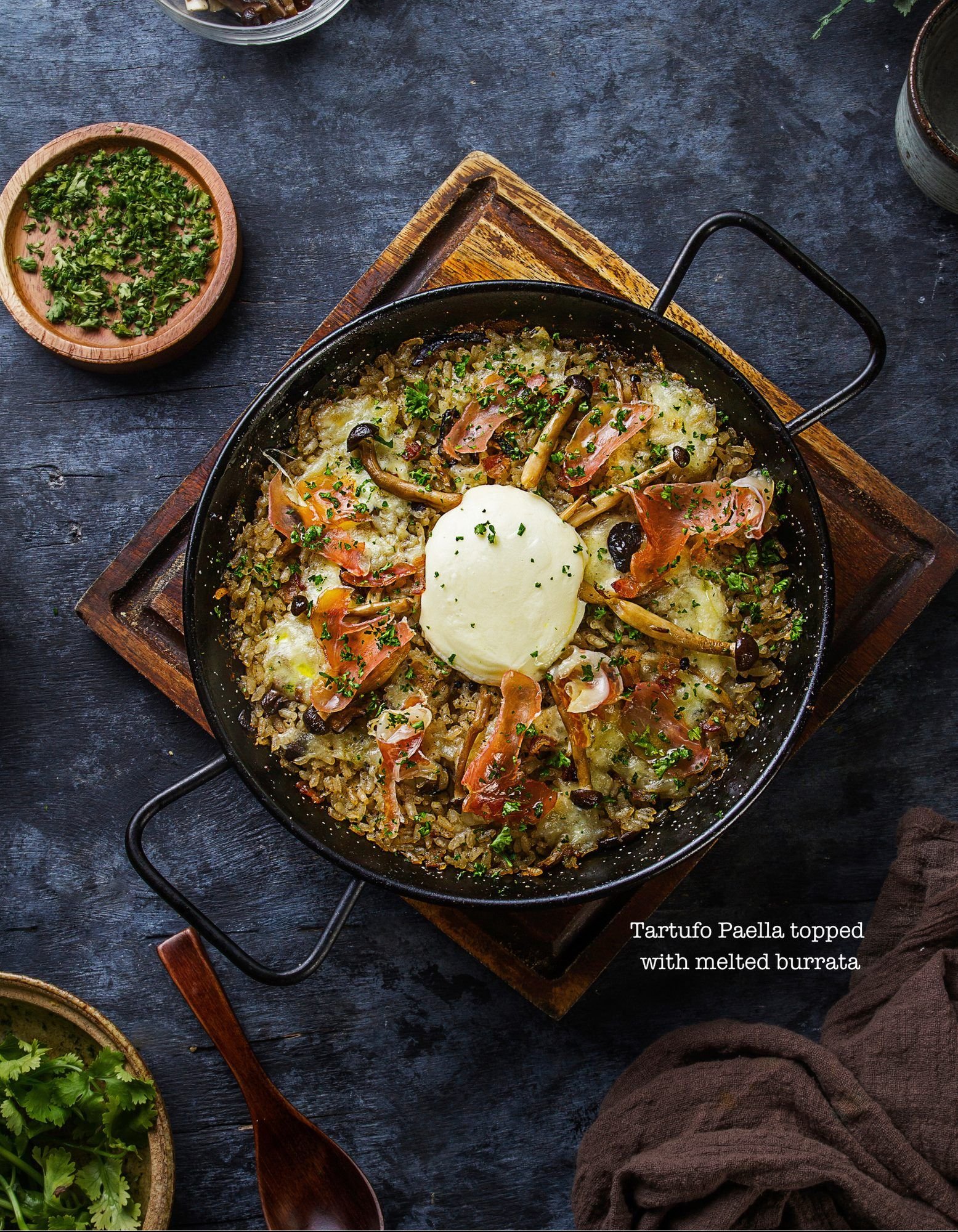
Diet restrictions changed the game too
Vegan mac and cheese exists now. Gluten-free pizza. Cauliflower standing in for more things than it probably expected when it was just a vegetable.
Some of these land. Some are clearly a substitute and everyone knows it. The better ones don't try to recreate anything — they build comfort from different ingredients entirely, without the apology of comparison. A good vegan dish isn't a lesser version of something else; it's its own thing that happens to satisfy the same need.
The challenge is that comfort food works partly through memory. The taste is tied to a specific time and place. Recreating that feeling with entirely different ingredients means building a new memory first, which takes more than one meal.
Where it's going
Sustainability will keep reshaping menus — lower-impact versions of dishes that were originally built around abundance. More plant-based proteins, more local sourcing, less waste in the kitchen. These are real improvements, worth doing.
The tension is real too. Comfort food, almost by definition, is heavy: meat, fat, carbs. The warmth it creates is tied to that richness. Making it feel lighter without making it feel like something is missing — that's still being worked out in home kitchens and restaurant menus everywhere.
At Delgado 112, our version of comfort pulls from both sides. Filipino familiarity and Spanish technique, dishes like Kare-Kare and Cocido that have been feeding families for generations, served in a way that feels current without losing what made them matter in the first place.
Come eat something familiar at Delgado 112 →
Filipino-Spanish comfort food at 112 Scout Delgado Street, Tomas Morato. Reserve a table — walk-ins welcome when there's space.